Backyard Obstacle Courses & Agility Ninja Challenge
Design high-energy physical obstacle courses using garden hurdles, balance logs, crawl tunnels, and chalk paths.

Vestibular & Proprioceptive Sensory Integration
Scientific Insight
Navigating uneven outdoor terrain fires sensory receptors in joints and the inner ear fluid, refining dynamic equilibrium and spatial body schema.
Ecological Value
Encourages appreciation for natural topographies, slope variations, and grass cushioning.
Developmental Skills & Physical Milestones
Dynamic Bilateral Balance
Traversing narrow balance beams and stepping across tree stumps without touching the grass.
Executive Sequencing
Remembering a 5-step movement order (crawl, jump, balance, weave, sprint).
Cardiovascular Stamina
High-intensity interval bursts that enhance cardiovascular endurance and aerobic fitness.
Gather materials from nature, your recycling bin, or household kitchen supplies before heading outdoors.
- Pool noodles or lightweight garden canes
- Cardboard boxes or pop-up crawl tunnels
- Tree trunk slices or stepping logs
- Hula hoops or jump ropes
- Stopwatch or smartphone timer
- Sidewalk chalk for checkpoint markings
Step-by-Step Play Blueprint
Follow these 5 guided steps. Let your child take the lead in modifying and experimenting with the rules as play unfolds.
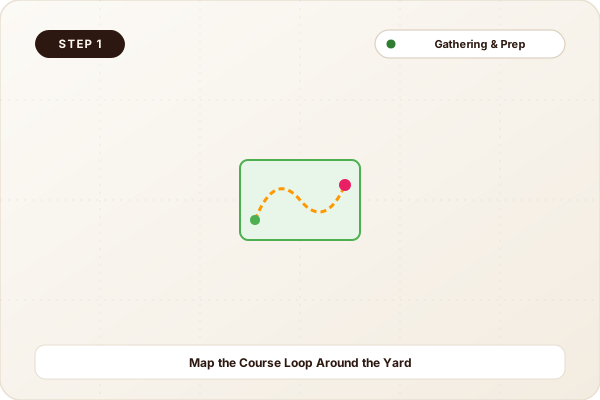
Map the Course Loop Around the Yard
Walk the yard with your child to identify start and finish lines, creating a continuous loop that avoids sprinkler heads and thorn bushes.
Construct Low-Crawl Cardboard Tunnels
Open both ends of large refrigerator or appliance boxes to create army crawl tunnels. Weight down the edges with small smooth stones.

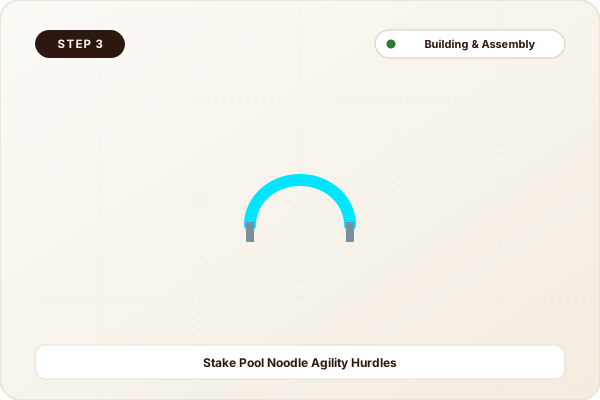
Stake Pool Noodle Agility Hurdles
Arch pool noodles into inverted U-shapes and press both ends over small garden stakes in the lawn to form soft, safe jumping wickets.
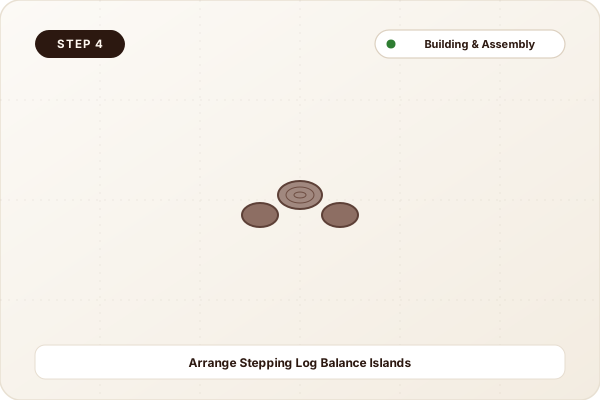
Arrange Stepping Log Balance Islands
Place flat tree slices or upside-down sturdy plastic pots in a zigzag pattern across the grass as "lava stones" children must cross without falling.
Time Runs and Celebrate Personal Records
Equip your child with a stopwatch to time their own or siblings’ runs. Focus on beating personal best times rather than competing against others.
Inspect lawn beforehand for exposed roots, dog holes, or hidden rocks. Ensure hurdles break away cleanly if kicked.
Fostering Autonomy & Calculated Risk
Obstacle courses are ideal for burning off excess screen-time energy. Let children take total ownership of modifying the course rules each round.