Engaging Sandbox Activities: Dinosaur Fossils & Mini Worlds
Transform an everyday sandbox into an archaeological paleontological dig site and miniature prehistoric biome.

Sedimentation, Stratigraphy & Fossilization
Scientific Insight
Fossils are preserved in layers of sedimentary rock and sand over millions of years; older strata lie deeper beneath younger geological deposits.
Ecological Value
Discovering Earth’s deep prehistoric history and appreciating the origins of biodiversity.
Developmental Skills & Physical Milestones
Delicate Fine-Motor Sweeping
Using soft bristles to gently sweep sand off buried bones without shifting them.
Systematic Grid Search Logic
Dividing excavation zones with string to practice methodical scientific documentation.
Imaginative World-Building
Designing prehistoric ecosystems with bark trees, pebble streams, and dinosaur herds.
Gather materials from nature, your recycling bin, or household kitchen supplies before heading outdoors.
- Clean play sand
- Dinosaur figures or clean chicken bone replicas / cast plaster fossils
- Paintbrushes (wide flat & soft round bristles)
- Plastic magnifying glasses & tweezers
- Sifters, colanders & wooden grid markers
- Stones, small succulent plants & bark chunks
Step-by-Step Play Blueprint
Follow these 5 guided steps. Let your child take the lead in modifying and experimenting with the rules as play unfolds.
Seed the Excavation Site Deep in Sand
Without the children watching, bury toy fossils, polished quartz crystals, and prehistoric creature figurines at varying depths throughout the sandbox.
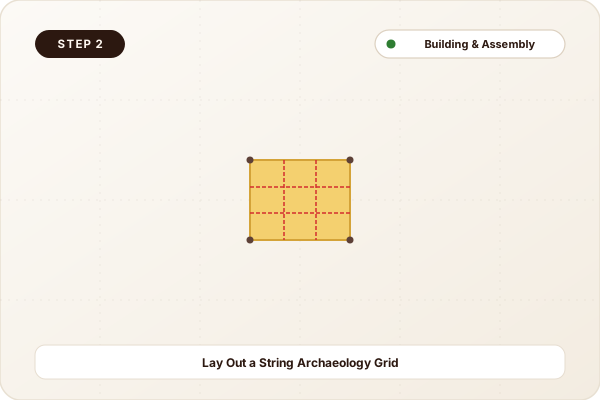
Lay Out a String Archaeology Grid
Tie strings across sandbox stakes to create a 4-quadrant grid (A1, A2, B1, B2). Provide children with clipboards to record where items are uncovered.
Excavate with Brushes, Tweezers and Sifters
Equip mini paleontologists with paintbrushes to gently sweep away sand. When an edge appears, use tweezers to carefully lever the specimen out.
Clean and Classify Uncovered Fossils
Submerge discovered fossils in a rinse bowl, dry with a towel, inspect with magnifying lenses, and sort by herbivore vs. carnivore teeth or bone types.
Build a Living Prehistoric Diorama
Use remaining sand, bark slabs, pinecone trees, and small leafy ferns to construct a lush Jurassic habitat where dinosaurs roam and drink from pebble watering holes.
Ensure children do not rub eyes with sandy hands. Keep a clean damp cloth on hand to wipe faces.
Fostering Autonomy & Calculated Risk
This focused archaeology theme shifts sandbox energy from frantic tossing to calm, intensely focused scientific discovery.