Seed Planting & Sprouting Experiments: Window Seed Mazes
Witness root geotropism and sprouting embryos up close inside transparent CD cases and cotton jars.
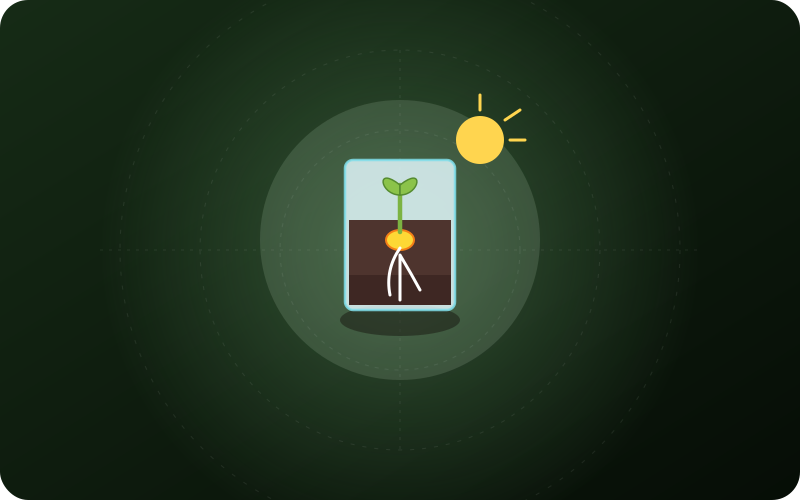
Gravitropism, Phototropism & Seed Anatomy
Scientific Insight
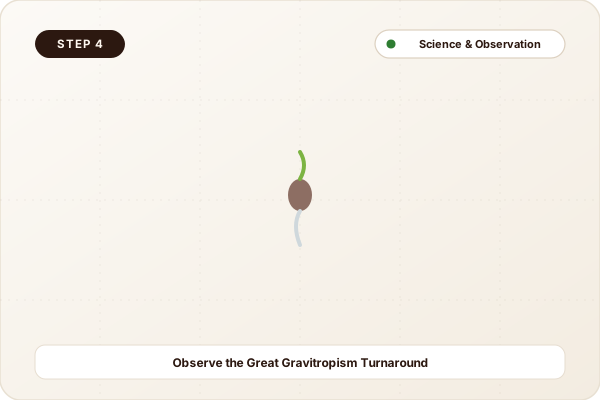
Seedlings sense gravity: the radicle root grows downward (positive gravitropism) while the shoot grows upward toward light (positive phototropism), guided by auxin plant hormones.
Ecological Value
Appreciating how seeds can lie dormant in desert soils for years waiting for rain before bursting into life.
Developmental Skills & Physical Milestones
Scientific Observation Journaling
Measuring root length in millimeters daily and drawing changes in seed shape.
Controlled Moisture Calibration
Applying exact droplet counts to maintain dampness without drowning the embryo in mold.
Predictive Hypothesis Formulation
Testing what happens if a sprouting seed is rotated upside down inside its chamber.
Gather materials from nature, your recycling bin, or household kitchen supplies before heading outdoors.
- Clear plastic CD jewel cases or clear glass mason jars
- Paper towels or 100% organic cotton balls
- Large seeds (lima beans, kidney beans, fava beans, pumpkin seeds)
- Water dropper or spray bottle
- Black cardstock paper (for shielding roots from light)
Step-by-Step Play Blueprint
Follow these 5 guided steps. Let your child take the lead in modifying and experimenting with the rules as play unfolds.
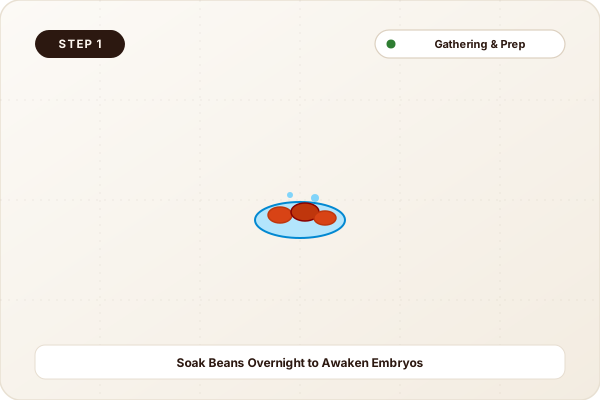
Soak Beans Overnight to Awaken Embryos
Submerge dried lima beans in a bowl of room-temperature water for 12 hours. Notice how the wrinkly seed coat swells and absorbs water, tripling in size.
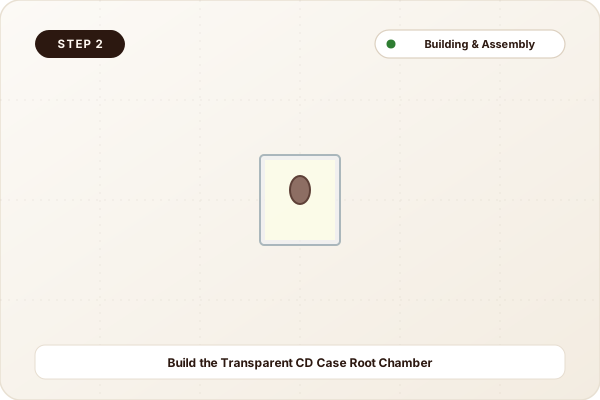
Build the Transparent CD Case Root Chamber
Pack a clear empty CD jewel case with damp paper towels. Place 3 beans along the center line, oriented in different directions (pointing up, down, sideways).
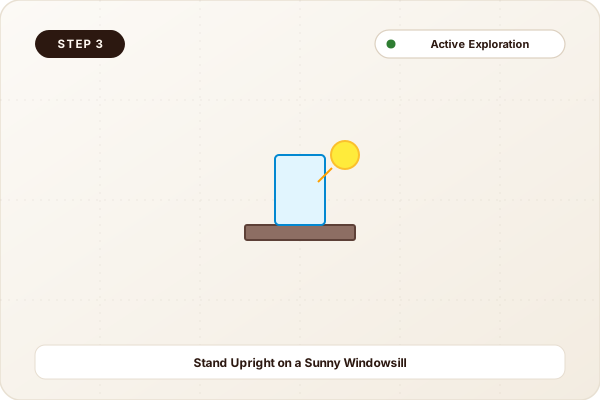
Stand Upright on a Sunny Windowsill
Set the CD case vertically in a sunny window. Keep the paper towel consistently moist with a few drops from a water dropper daily.
Observe the Great Gravitropism Turnaround
On days 3–5, watch the emerging white root (radicle) curve downward regardless of how the bean was positioned: gravity points the way to groundwater!
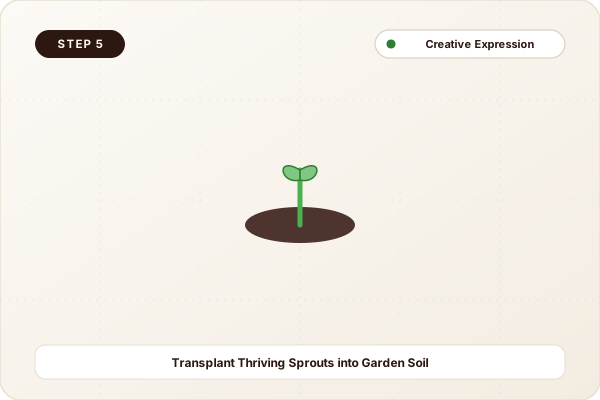
Transplant Thriving Sprouts into Garden Soil
Once true green leaves unfurl and roots press against the plastic walls, gently transplant the vigorous seedling into an outdoor pot or garden bed.
Do not eat raw soaked kidney or lima beans, as raw beans contain natural phytohaemagglutinin that must be cooked before eating.
Fostering Autonomy & Calculated Risk
Because soil hides germination, children often feel disconnected from planting. This transparent window setup reveals the miraculous drama of life waking up.