Fallen Branch Stick Forts & Forest Teepee Shelters
Construct triangular teepee shelters and lean-tos using sturdy fallen branches, bark slabs, and twine lashing.
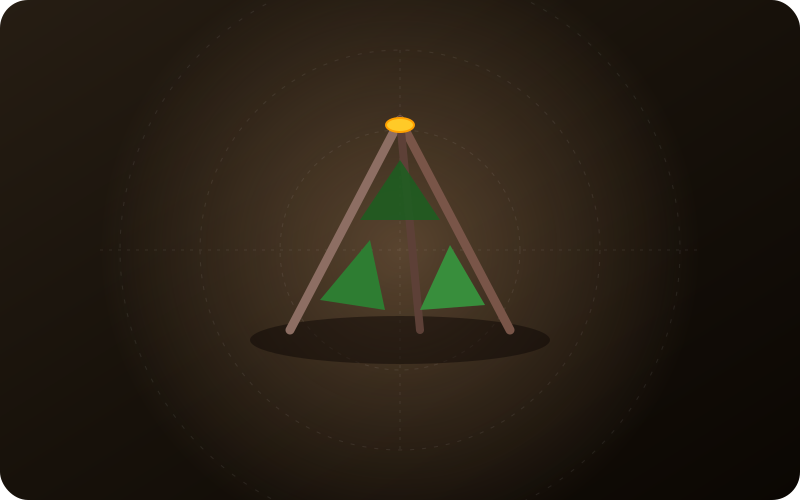
Triangular Structural Stability (Truss Physics)
Scientific Insight
Triangles are inherently rigid geometric shapes that cannot deform without breaking their members, making tripod teepees the most stable primitive shelters in high winds.
Ecological Value
Practice sustainable bushcraft: collect only dead, fallen wood without harming living standing trees.
Developmental Skills & Physical Milestones
Heavy Work Proprioceptive Lifting
Carrying large deadfall branches provides deep pressure muscle stimulation that calms the nervous system.
Tripod Sheer Lashing Mastery
Binding 3 poles together at their apex using figure-8 wraps and secure clove hitch knots.
Spatial Geometry & Elevation Angle
Positioning pole bases in an equilateral triangle on the ground for maximum interior headroom.
Gather materials from nature, your recycling bin, or household kitchen supplies before heading outdoors.
- 3 to 5 long sturdy fallen tree poles (6 to 8 feet long, arm-thickness)
- Assorted smaller branches, leafy boughs, and bark slabs
- Natural jute twine or hemp rope (50 feet)
- Work gloves for hand protection
- Forest floor leaves and pine needles (for bedding)
Step-by-Step Play Blueprint
Follow these 5 guided steps. Let your child take the lead in modifying and experimenting with the rules as play unfolds.
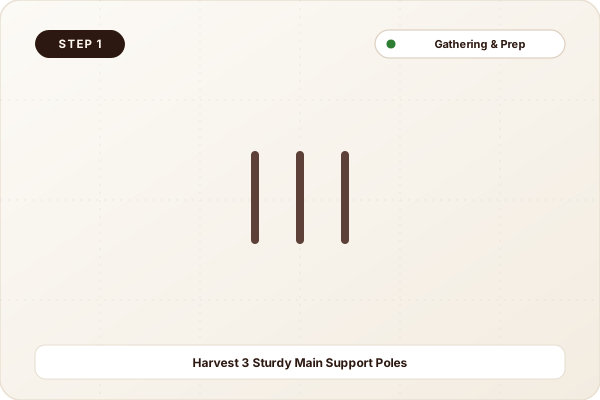
Harvest 3 Sturdy Main Support Poles
Search the woodland floor for 3 sound, non-rotting deadfall poles roughly 7 to 8 feet long and arm-thickness. Clear them of sharp broken twigs.
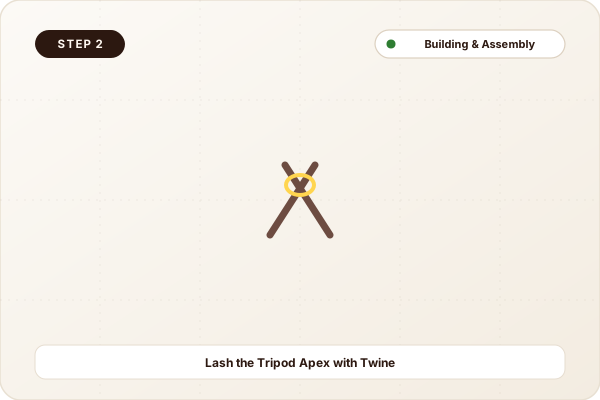
Lash the Tripod Apex with Twine
Lay the 3 poles side by side on the ground. Wrap natural jute twine tightly around them about 1 foot from the top in a figure-8 sheer lashing, knotting securely.
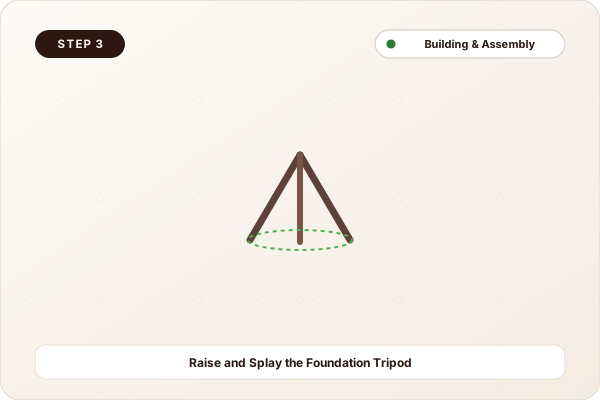
Raise and Splay the Foundation Tripod
With a partner, lift the lashed apex high into the air. Splay the 3 bottom pole ends out into a wide equilateral triangle on flat forest earth.
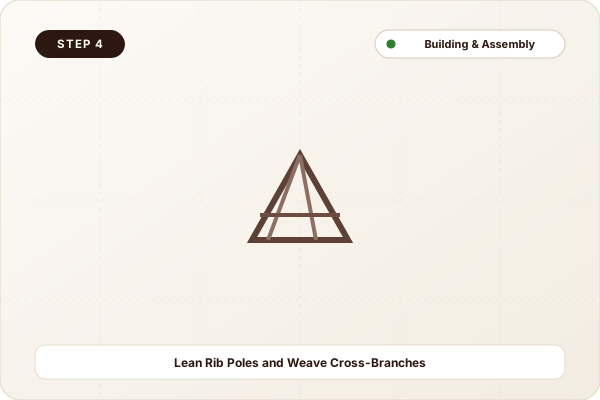
Lean Rib Poles and Weave Cross-Branches
Lean dozens of smaller branches around the tripod perimeter, leaving a 2-foot opening on the downwind side for an entrance doorway.
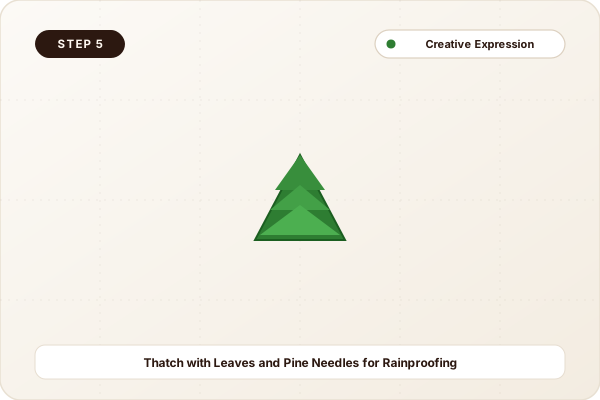
Thatch with Leaves and Pine Needles for Rainproofing
Layer thick piles of dead leaves, pine needles, and cedar boughs from the bottom up (like roof shingles) until daylight cannot penetrate the walls.
Always test stability of the completed fort before entering. Do not build under dead overhead tree limbs ("widowmakers").
Fostering Autonomy & Calculated Risk
Building a stick fort is a quintessential childhood rite of passage. It connects children with primal ancestral survival instincts and fosters deep teamwork.
More Outdoor & Garden Activities
View All 65
Clue-Based Backyard Treasure Hunts: Cryptic Riddles & Caches
Hand-Drawn Pirate Treasure Maps: Tea-Stained Cartography