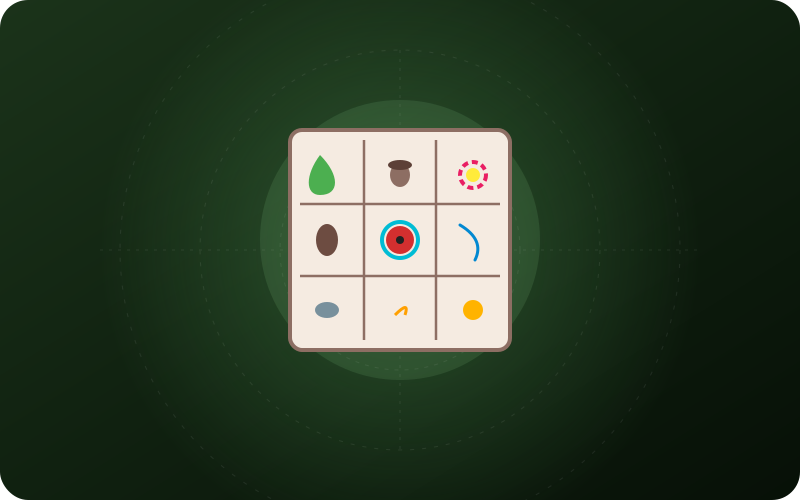
Backyard Bug & Minibeast Hunts: Safe Catch & Release Exploration
Safely observe beetles, caterpillars, earthworms, and pillbugs with clear ventilated bug catchers and field guides.
Arthropod Anatomy & Decomposer Roles
Scientific Insight
Insects possess 3 body segments (head, thorax, abdomen) and 6 legs, while spiders are arachnids with 2 body segments and 8 legs. Most backyard bugs are beneficial decomposers and pollinators.
Ecological Value
Overcoming insect squeamishness and recognizing that without arthropods, terrestrial food webs would collapse entirely.
Developmental Skills & Physical Milestones
Delicate Micro-Motor Control
Using a soft paintbrush to guide a fragile ladybug into a jar without crushing legs or wings.
Anatomical Counting & Sorting
Counting leg pairs and antennae to distinguish true insects from spiders, centipedes, and isopods.
Scientific Documentation
Sketching wing carapace patterns, spots, and mandibles in an insect discovery notebook.
Gather materials from nature, your recycling bin, or household kitchen supplies before heading outdoors.
- Clear bug viewer jar with 3x magnifying lid
- Soft-bristled craft paintbrush (for gently nudging insects without injury)
- White plastic bedsheet or umbrella (for shaking tree branches)
- Child-safe field insect identification chart
- Plastic tweezers with rounded soft tips
- Moist paper towel to line viewing jar
Step-by-Step Play Blueprint
Follow these 5 guided steps. Let your child take the lead in modifying and experimenting with the rules as play unfolds.
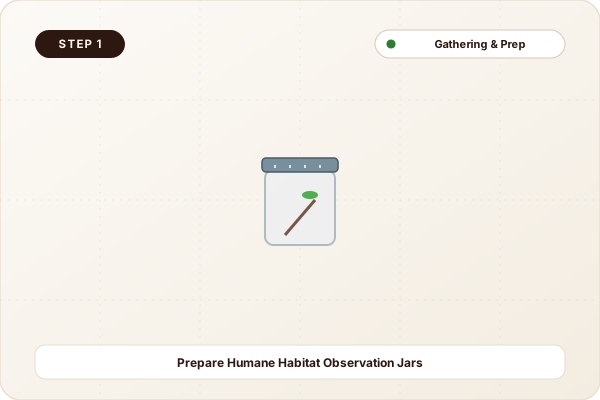
Prepare Humane Habitat Observation Jars
Line the base of a clear ventilated jar with a damp paper towel, a green leaf, and a small twig so captured insects feel comfortable and sheltered.
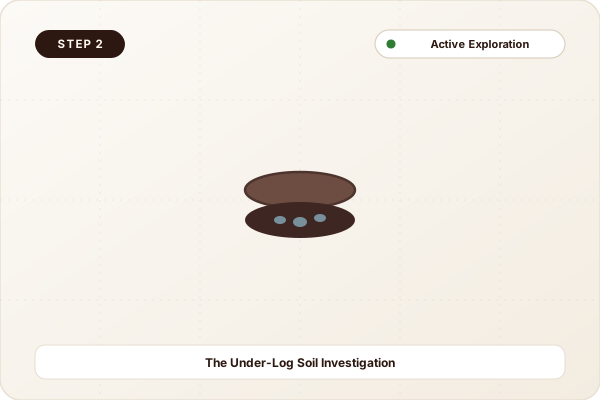
The Under-Log Soil Investigation
Gently roll over rotting logs, stepping stones, or garden flowerpots. Watch pillbugs roll into armor balls and earthworms retreat into their moist burrows.
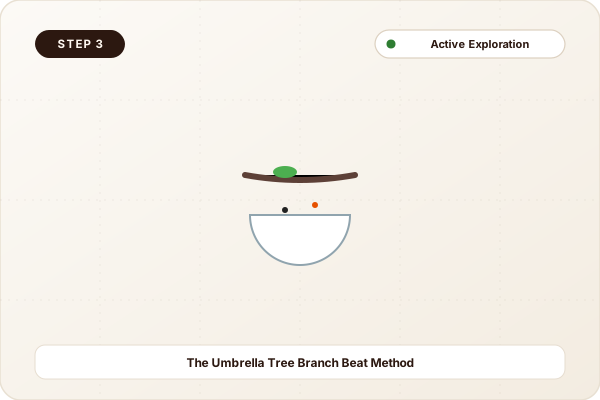
The Umbrella Tree Branch Beat Method
Hold an open upside-down umbrella beneath a leafy tree or bush branch. Give the branch two firm shakes: marvel as hidden caterpillars, weevils, and beetles drop softly into the fabric!
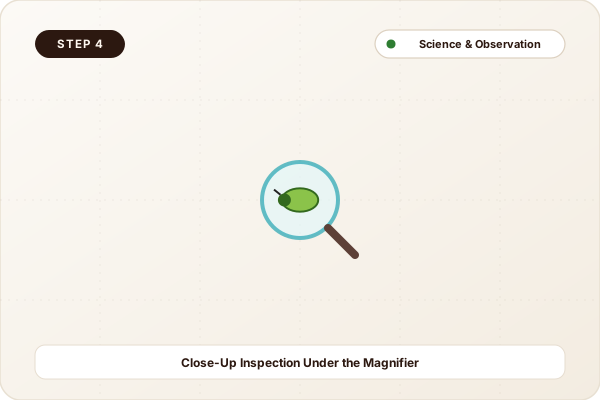
Close-Up Inspection Under the Magnifier
Use a soft paintbrush to sweep the specimen into your viewer. Count legs, look for compound eyes, and observe how jointed legs grip the twig.
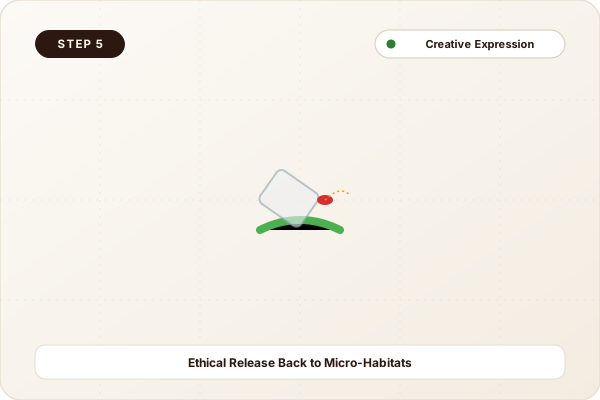
Ethical Release Back to Micro-Habitats
After 5–10 minutes of study and sketching, open the jar directly where the bug was collected and watch it return safely into the soil or underbrush.
Teach kids not to handle stinging insects (wasps, bees, hornets, stinging caterpillars) or ticks. Use the paintbrush method rather than bare fingers.
Fostering Autonomy & Calculated Risk
Bug hunting transforms fear into fascination. Children who observe ladybug larvae eating garden aphids gain firsthand appreciation for natural pest control.
More Outdoor & Garden Activities
View All 65
Sensory Nature Scavenger Hunts & Woodland Discovery Quests
Backyard Garden Scavenger Hunts: Micro-Ecosystem Detectives