Backyard Garden Scavenger Hunts: Micro-Ecosystem Detectives
Explore pollinators, soil decomposers, edible herbs, and seed pods right in your own garden or flowerbed.
Plant Anatomy & Pollination Networks
Scientific Insight
Flowers use specific petal colors, ultraviolet nectar guides, and scents to attract bee and butterfly pollinators that fertilize crops.
Ecological Value
Discovering how urban and suburban gardens serve as vital wildlife corridors for native insects and songbirds.
Developmental Skills & Physical Milestones
Close-Up Microscopic Inspection
Holding magnifying lenses steady at optimal focal distance to observe aphid clusters and pollen grains.
Quantitative Plant Measurement
Measuring seedling stem heights and leaf lengths with a ruler in inches or centimeters.
Olfactory Sensory Discrimination
Distinguishing pungent aromas of crushed mint, basil, sage, and tomato vine leaves.
Gather materials from nature, your recycling bin, or household kitchen supplies before heading outdoors.
- Garden detective scorecard
- Hand trowel or wooden planting dibber
- Magnifying glass with LED light
- Clean glass jar with breathable mesh lid
- Colored dot stickers or wooden clothespins
- Ruler or tape measure
Step-by-Step Play Blueprint
Follow these 5 guided steps. Let your child take the lead in modifying and experimenting with the rules as play unfolds.
Create the Garden Detective Checklist
List 6 garden missions: Find a flower visited by a bee, a leaf with chewed caterpillar holes, an earthworm underground, a curly climbing tendril, a seed head, and a fragrant herb.
Scout Pollinators in the Flowerbed
Stand motionless next to flowering lavender, sunflowers, or marigolds for 2 full minutes. Count how many honeybees, bumblebees, or hoverflies visit the blossoms.
Uncover Soil Decomposers Under Mulch
Gently lift a wooden paver or scrap board resting on garden soil. Use the hand lens to count roly-polies (pillbugs), earthworms, and ground beetles breaking down mulch.
Crush and Sniff Aromatic Herbal Leaves
Gently rub a leaf of rosemary, sweet basil, or lemon thyme between thumb and forefinger, then inhale the essential oil scent to identify the plant.
Measure and Chart Seedling Growth
Use a ruler to measure the tallest stem in the garden bed. Place a dated marker stick next to it so your child can track its vertical growth week after week.
Remind children never to ingest unknown leaves, flowers, or berries. Wear light gardening gloves when exploring thorny rose bushes.
Fostering Autonomy & Calculated Risk
This activity fosters deep respect for the garden ecosystem. Kids realize that insects are helpful garden partners rather than pests to fear.
More Outdoor & Garden Activities
View All 65
Sensory Nature Scavenger Hunts & Woodland Discovery Quests
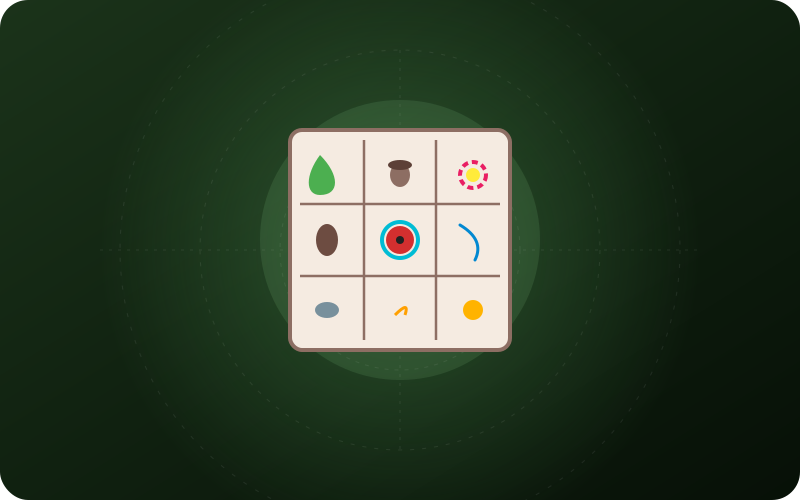
Outdoor Nature Bingo: 4-in-a-Row Outdoor Scavenger Cards